A TUTTE LE ORE

Milan across arts, design, and creative atmospheres

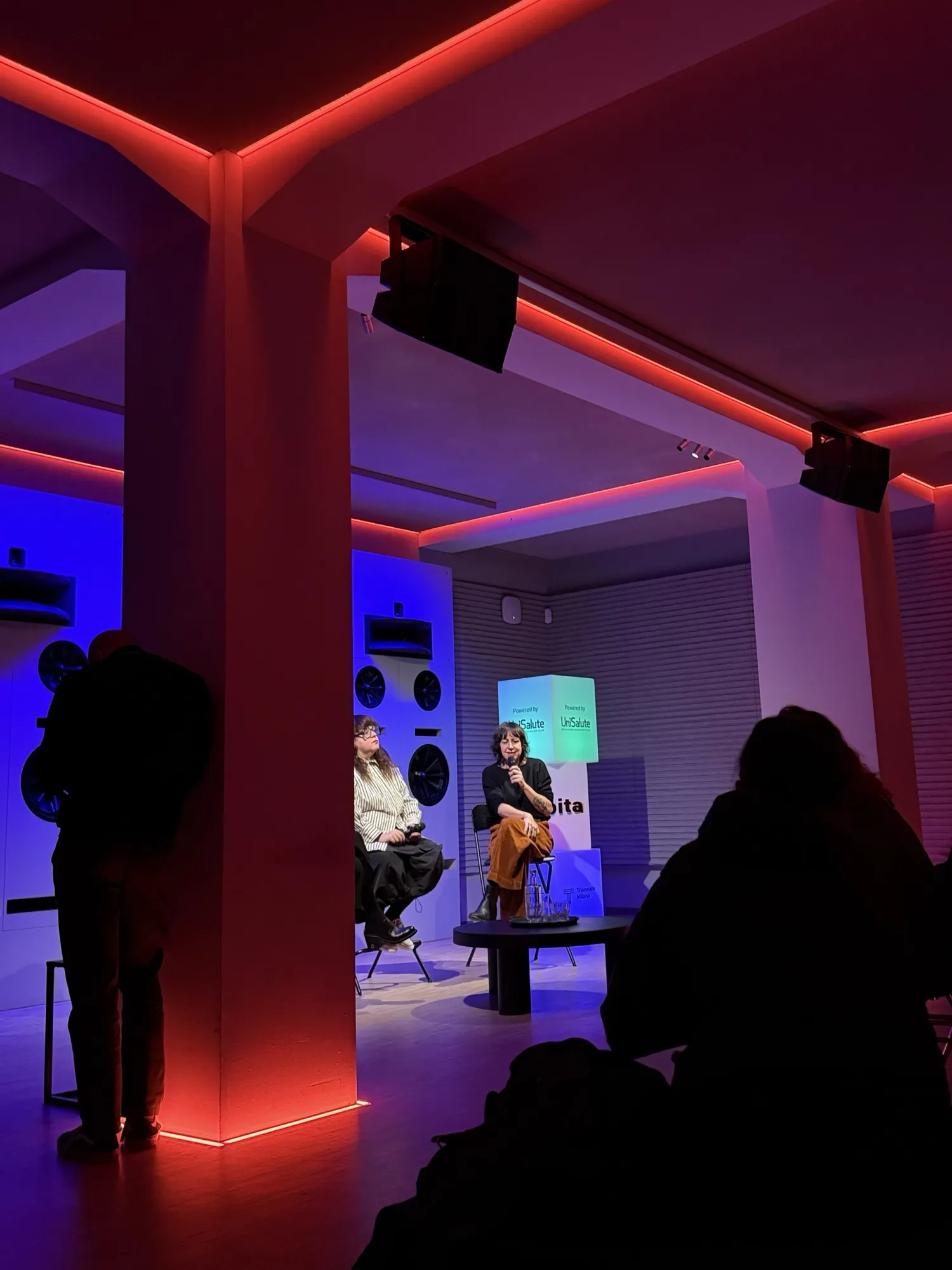
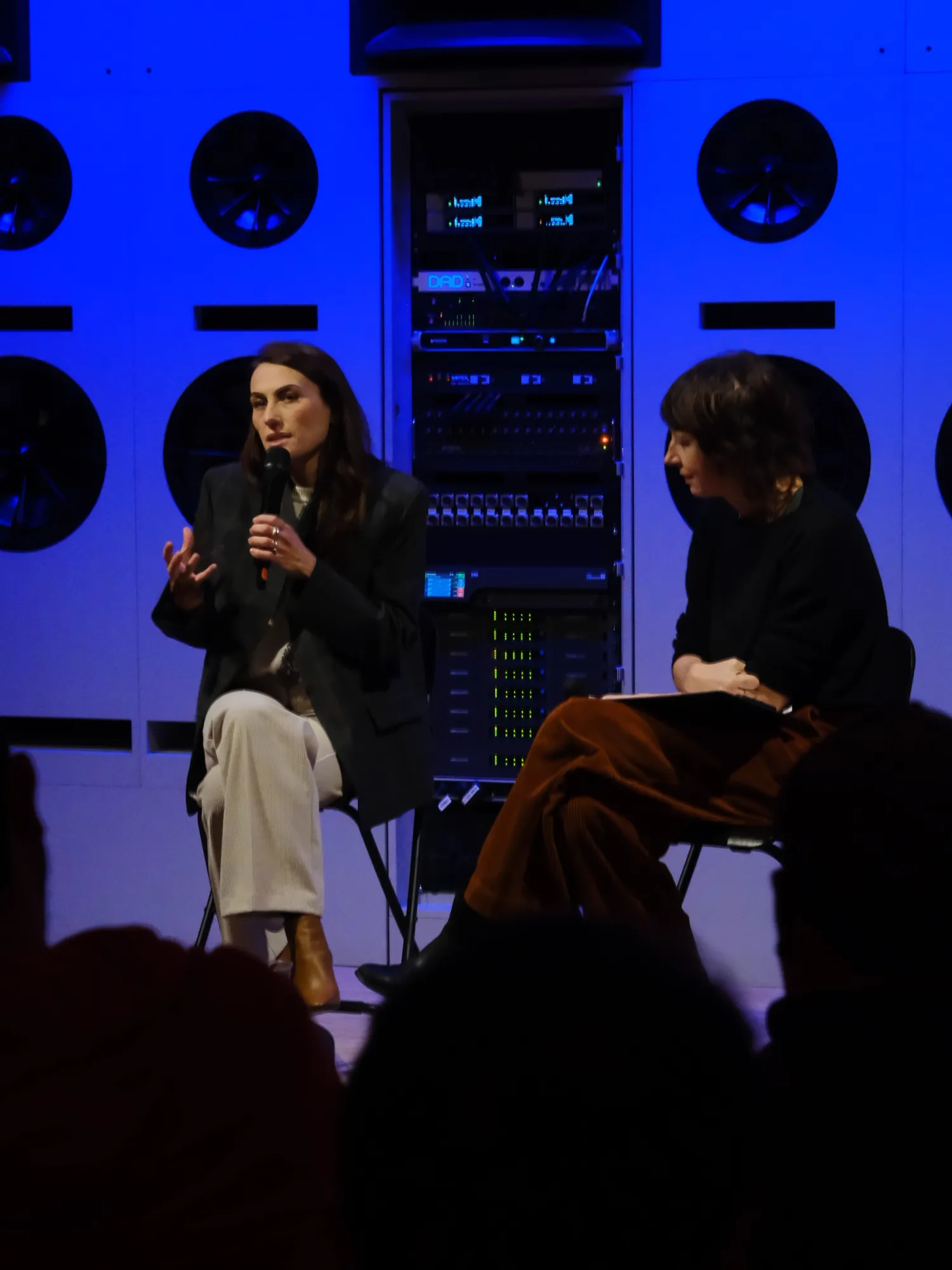
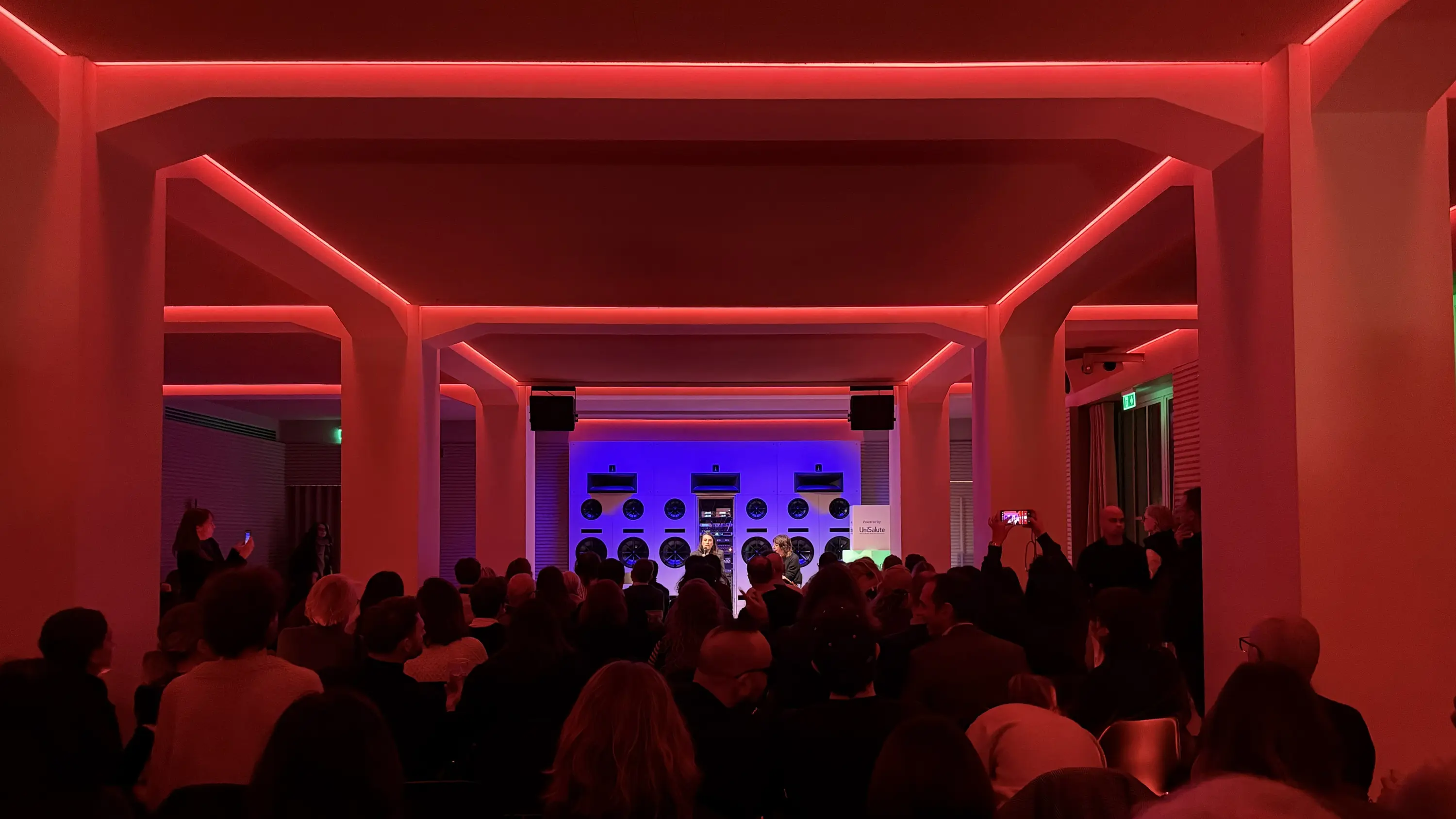
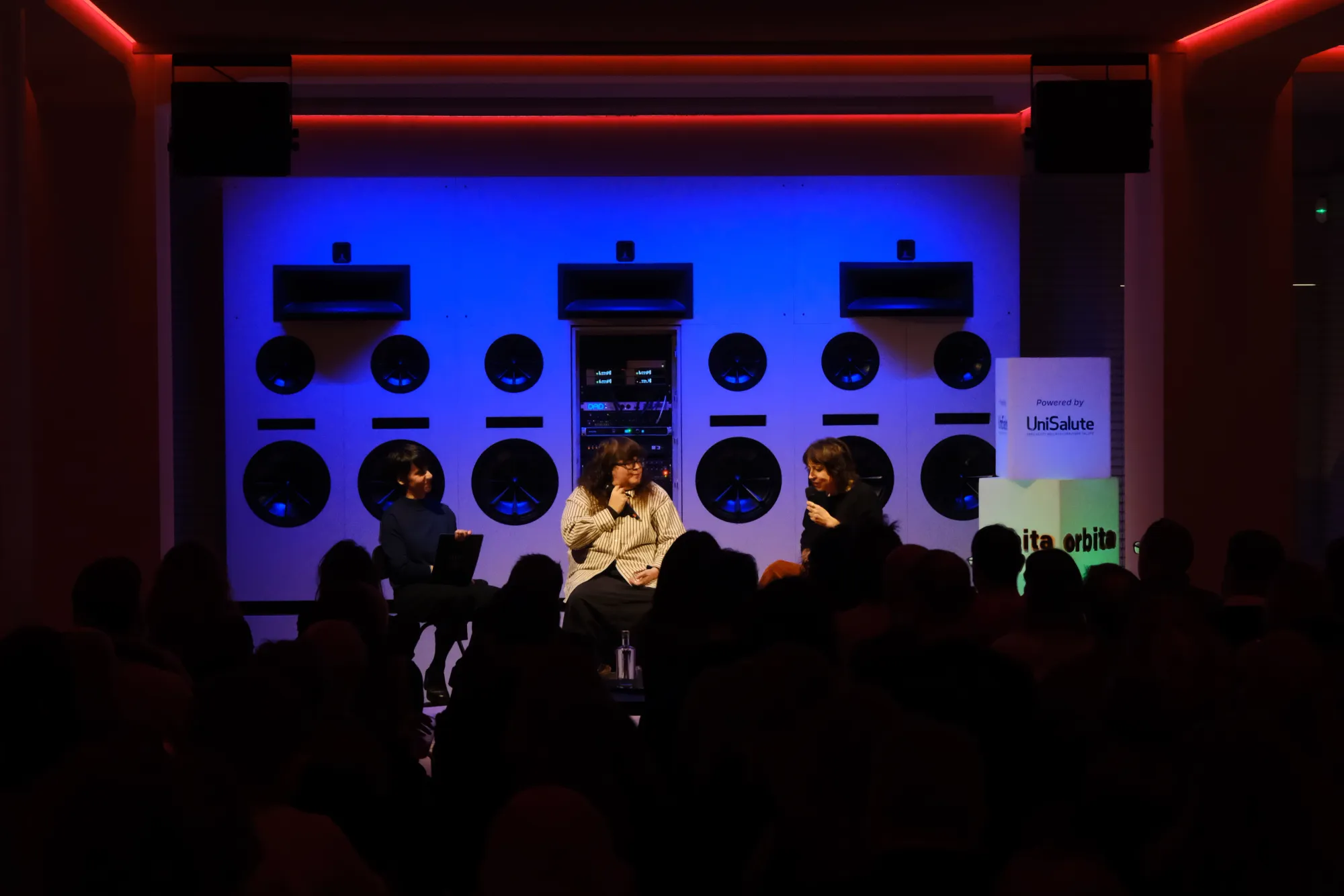
On November 19, 2025, at 7 pm, the project A TUTTE LE ORE was officially launched at Voce – Triennale Milano, as part of Orbita, a live event series curated by Chora Media

During the evening, the audience was introduced to the themes, methods, and vision of the project, offering a first immersion into the cultural geographies explored by the series.

A TUTTE LE ORE is a narrative research project that combines a podcast, a digital map, and a sound book to tell the story of Milan’s design scene through its places, memories, and social connections. The aim is to highlight the broader scope of the research, which integrates digital tools, sound devices, and editorial experimentation, inviting audiences to see Milan from an unexpected perspective.
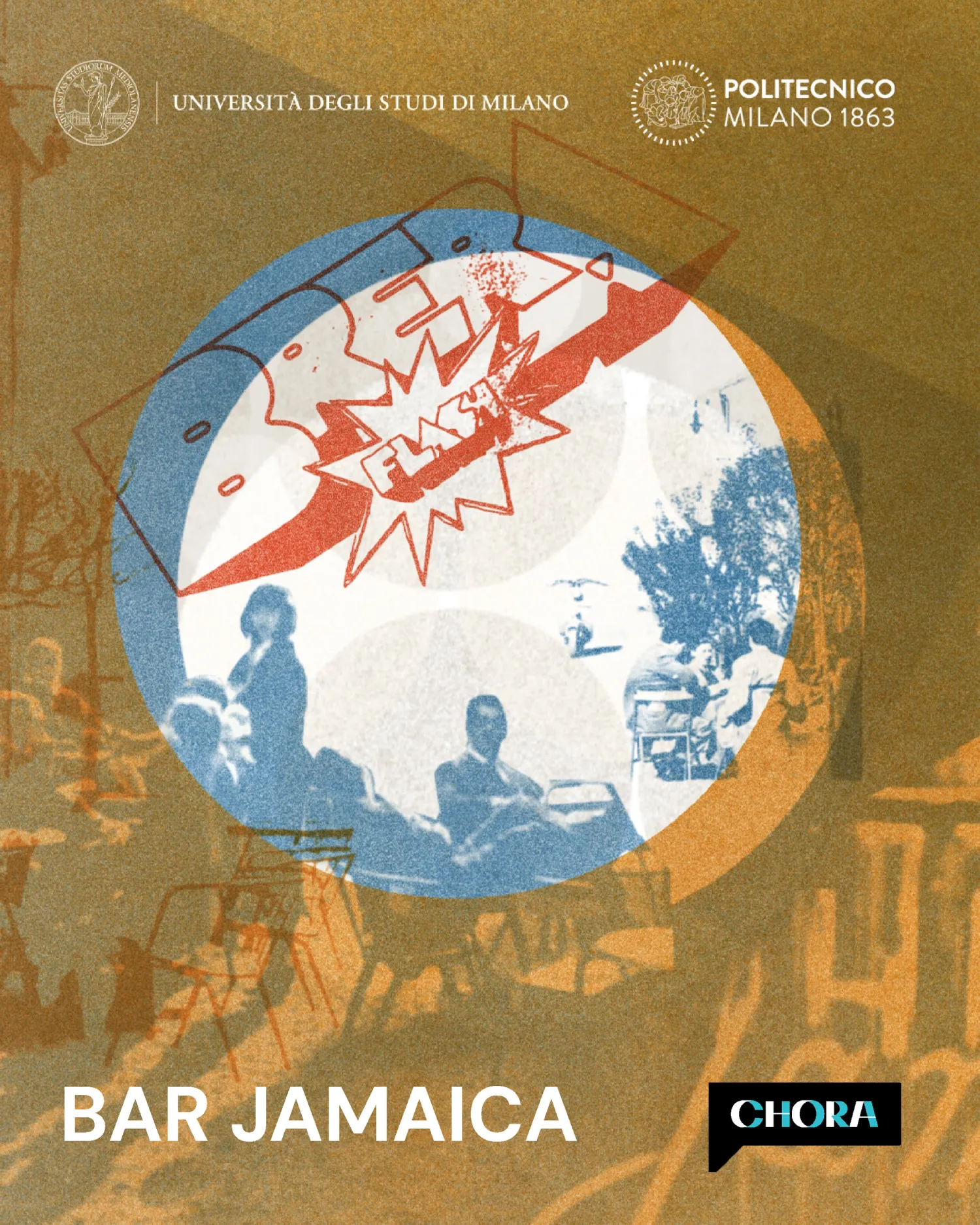
The podcast, in particular, unfolds as a five-episode series (November 20 – December 18, 2025), written and narrated by Giulia Cavaliere and produced by Chora Media. Each episode takes inspiration from an iconic location in Milan, weaving together testimonies, memories, and archival materials. The voices of Uliano Lucas, Ugo La Pietra, Anna Maria Cimoli, Roberta Cerini Baj, Maurizio Stocchetto, Enrico Intra, and other key figures of Milanese culture recount stories that have helped shape the city’s creative imagination.

Does design only originate in designers’ studios?

The project begins by questioning this assumption and ultimately overturns it. It proposes a shift in perspective: observing design not when it becomes a finished object, but while it is taking shape—often elsewhere, in informal and unexpected places. In bars, cafés, and clubs; in those interstitial spaces where, for almost a century, Milan has cultivated relationships, spontaneous conversations, and shared intuitions. Its goal is to portray the city as a diffuse laboratory where creativity is nurtured by free time, spontaneous sociality, and non-hierarchical forms of collaboration.

A TUTTE LE ORE constructs a geography of Milanese design that does not coincide with professional studios or cultural institutions, but with lived spaces – at all hours – frequented by generations of designers, artists, musicians, and photographers.

Five key locations guide the narrative:
Bar Jamaica, Caffè Craja, Santa Tecla, Plastic, Bar Basso.

These iconic spots become chapters of a collective story, where ideas spark during sleepless nights, unexpected conversations, or glasses shared at the counter. Around these main stops extends a constellation of related places – linked by era, spirit, or community – mapping the underlying fabric of a creative and relational city. This is a Milan that spans decades: from the atmospheres of the 1930s to the vibrancy of the postwar period, from the radical experimentation of the 1960s to the nightlife culture of the 1980s, all the way to the present.

The narrative unfolds across several formats designed to interact and make accessible a fragile and scattered heritage: oral memory, everyday stories, and accounts that rarely appear in official records.

The project gathers:

  • direct testimonies, often preserved by those who lived in these places;
  • archival materials from private or family collections;
  • bibliographic and documentary sources, analyzed and verified;
  • field research, conducted through interviews and historical reconstructions.

From this diverse foundation emerges a rigorous yet accessible narrative, capable of turning academic research into a cultural experience open to a wide audience: citizens, students, scholars, professionals, and enthusiasts of the city.

The project offers a vision of Milan that goes beyond the celebration of major events – a more intimate city made of presences, conversations, and exchanges unfolding in suspended moments. A generous city that creates when it slows down; porous, where night and day overlap; anti-individualist, because design often originates well before the project itself: in liminal spaces, unplanned encounters, and relationships formed without agenda.

A TUTTE LE ORE becomes an invitation to rethink design culture not only as a discipline, but as an ecosystem of relations.

A project open to everyone

The series speaks to those who study the social dimensions of design, to those who explore Milan as a living urban landscape, and to those seeking a new narrative of everyday creativity. It bridges scientific research and cultural dissemination, using digital tools as a memory infrastructure – an evolving archive that safeguards the intangible and makes it shareable.

Through the interplay of podcast, digital map, and sound book, academic research steps beyond its traditional boundaries and returns to the places where it first took shape. Because design stories often happen when no one is watching. They happen, quite simply, at all hours.

Online on A TUTTE LE ORE website.
Coming in 2026: a sound book that brings the intangible into physical form, combining text, essays, images, and audio traces.

A project promoted and carried out by the Department of Cultural and Environmental Heritage of the University of Milan in collaboration with the Department of Design of the Politecnico di Milano, produced by Chora Media within the framework of Spoke 2 – WP1 Mapping intangible cultural heritage in performing arts, music, audiovisual media, design, fashion, craftsmanship, and linguistic diversity of the PNRR CHANGES project: Cultural Heritage Innovation for Next-Gen Sustainable Society – Next Generation EU.

Scientific Responsibility:
Alberto Bentoglio, University of Milan
Luisa Collina, Politecnico di Milano

Scientific Coordination, Research, and UX:
Ilaria Bollati, Politecnico di Milano

Research and UX Support:
Alice Biancardi and Chiara Di Lodovico, University of Milan

Historical Research:
Marta Elisa Cecchi, Politecnico di Milano

Scientific Supervision of Historical Research:
Giampiero Bosoni and Chiara Lecce, Politecnico di Milano

Illustrations:
Francesca Gastone, Atelier Fyumi

Texts:
Ilaria Bollati and Marta Elisa Cecchi, Politecnico di Milano

Web Design:
Alice Biancardi, University of Milan

Design Development:
Luca Andrea Ludovico, University of Milan
Mael Vittorio Vena, University of Milan

English Proofreading:
Helen Walker

Photo credits: Chora Media and Ilaria Bollati.

Share on: