Human Cities/SMOTIES

Creative works with small and remote places

A digital illustration in a flat, geometric style depicts a group of six stylized figures engaged in exploration and research activities. Each character is made of simple shapes and flat colors, carrying symbolic tools: a map held high, a magnifying glass, binoculars, and a notebook. The background features organic shapes in pastel, blue, and yellow tones, evoking a natural landscape or a park. The image conveys a sense of collective curiosity and shared discovery, reflecting the inclusive and methodological approach typical of a field research project or an educational workshop.

Human Cities / SMOTIES: Creative works with small and remote places is a research project co-funded by the European Union under the Creative Europe program. The project involves institutions, associations, and the citizens of ten small and remote European locations, which hold a little-known tangible and intangible cultural heritage that is at risk of being forgotten.

This project is part of Human Cities, an interdisciplinary platform founded in 2006 and composed of a network of European partners. Human Cities explores new ways of designing public spaces and local services through the active participation of residents and local stakeholders.

With POLIMI DESIS Lab — a research group from the Department of Design — as the coordinator, the network is composed of 10 partners, hubs of creativity in 10 European cities:

  • Clear Village (London, UK)
  • FH Joanneum, University of Applied Sciences (Graz, Austria)
  • Cité du Design (Saint-Etienne, France)
  • University of Madeira (Funchal, Madeira, Portugal)
  • University of the Aegean (Ermoupoli, Syros, Greece)
  • Urban Planning Institute of the Republic of Slovenia (Ljubljana, Slovenia)
  • Estonian Association of Designers (Tallinn, Estonia)
  • Alternance SLF (Reykjavik, Iceland)
  • Zamek Cieszyn (Cieszyn, Poland)

Objectives and activities

Researchers and designers from the SMOTIES network collaborated with the local communities of the ten small and remote locations. The residents, associations, and local administrations jointly designed innovative public spaces and services, as well as inclusive strategies aimed at enhancing the specificities of the territory. These initiatives aimed to make these areas more attractive, stimulate the local economy, and strengthen their cultural identity.

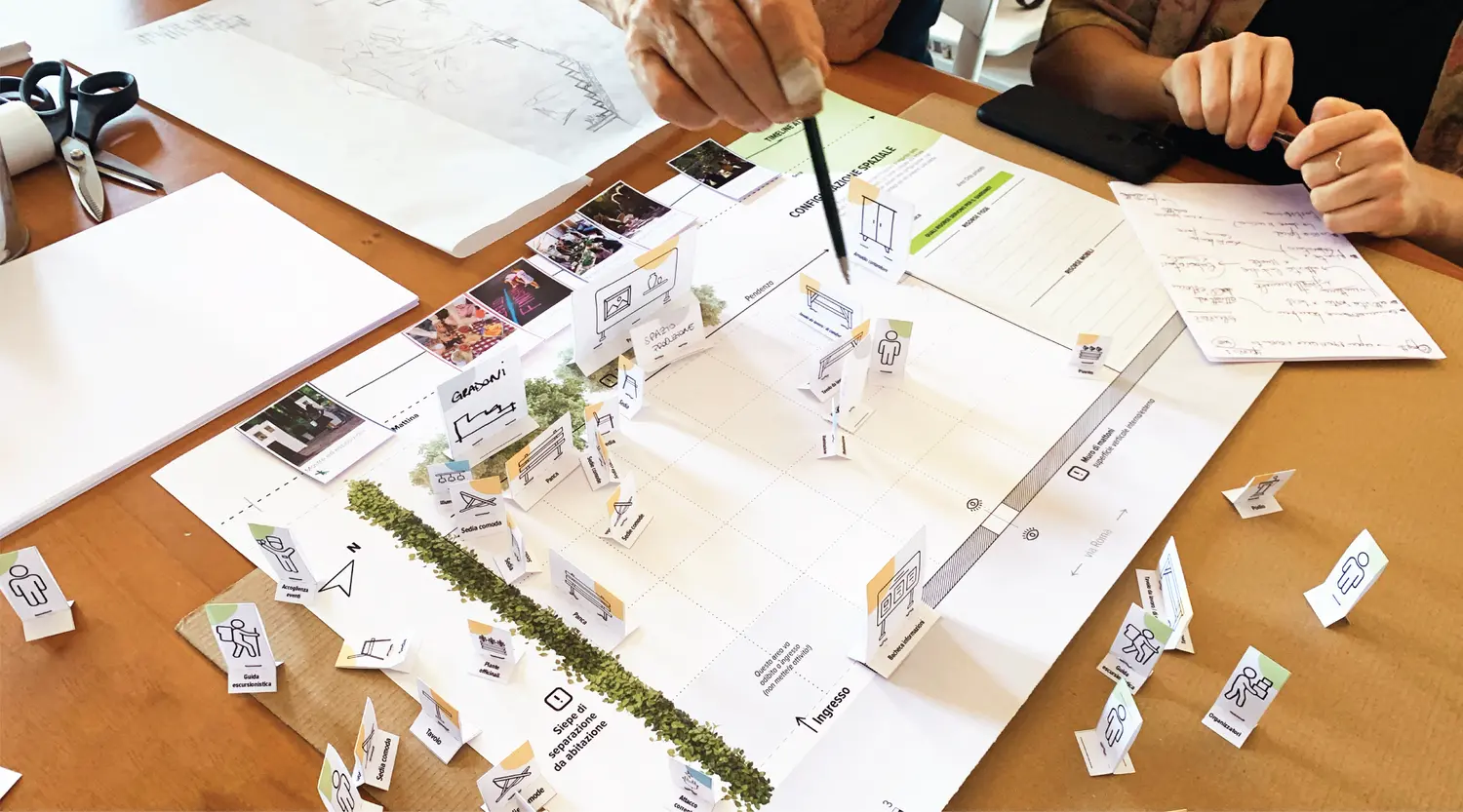
In a top-down shot, several people collaborate around a table during a participatory design session. At the center is a large paper map representing the spatial configuration of an outdoor area, enriched with small paper pop-up elements that simulate urban furniture, "entrance" signs, hedges, and icons of people. The participants' hands are captured in the act of placing these elements or writing notes on surrounding sheets, using pens and sticky notes. The image conveys the idea of a creative and analytical process aimed at imagining and structuring new collective spaces in a tangible and shared way.
Co-creation workshop for the design of the Via Roma Garden in Albugnano (AT), June 2023 ©Polimi DESIS Lab

In this context, the Department of Design collaborated with stakeholders in the Basso Monferrato area to best enhance its enogastronomic, historical-artistic, and touristic-hospitality peculiarities, and to promote the co-creation of shared spaces and services. The project, which began in November 2020, will run until October 2024, and includes activities such as: listening to the territory, co-design and participatory prototyping workshops, seminars, and communication actions in an international context.

All this is made possible thanks to the support of a large group consisting of students, professors, researchers, interns, and the collaboration of citizens and local representatives (associations, public administrations, informal groups, business entities) who can benefit from human resources, personnel, and a dedicated budget to implement actions in the territory and integrate them into a European network.

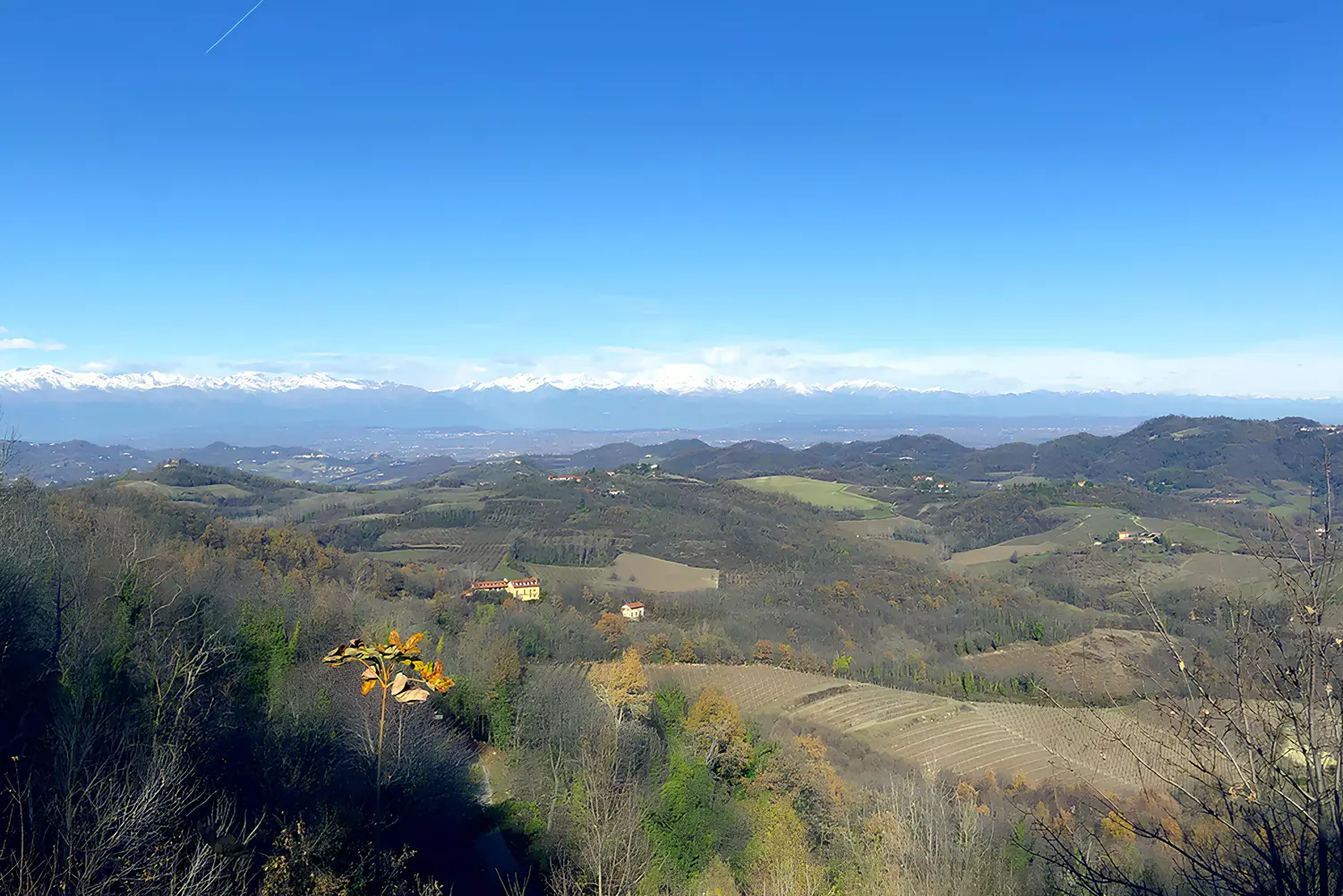
A striking panoramic view shows a hilly landscape stretching as far as the eye can see under a clear blue sky. In the foreground, autumnal vegetation in warm brown tones frames the valley, where forests, cultivated fields, and small rural settlements alternate. On the horizon, a majestic snow-capped mountain range stands out sharply, creating a strong visual contrast with the gentle lines of the hills below. The wide depth of field captures the essence of a vast and silent territory, evoking a sense of peace and connection with nature.
The view over Basso Monferrato ©Polimi DESIS Lab
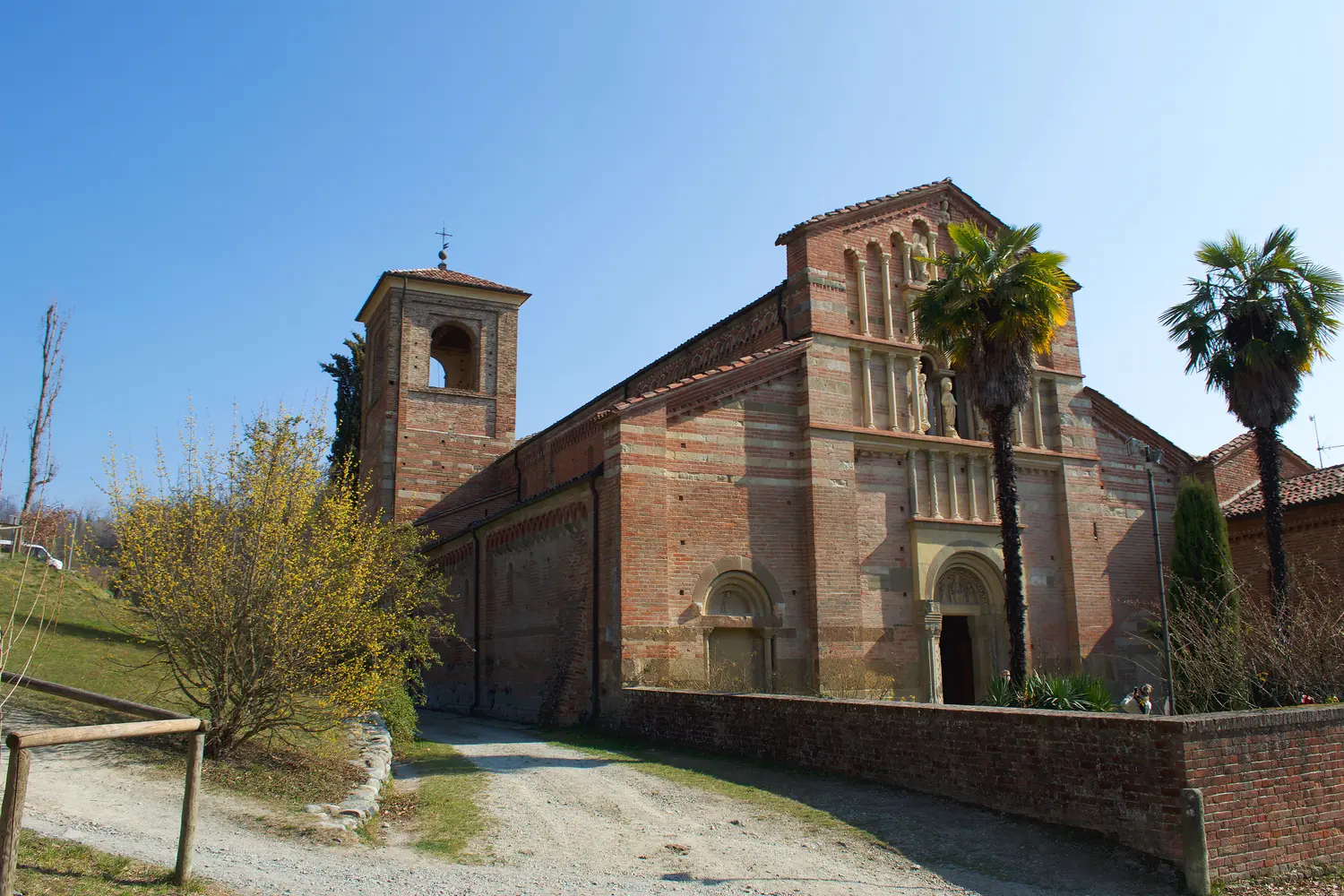
In a low-angle shot, a Romanesque brick church stands majestically against a clear blue sky. The gabled facade is decorated with hanging arches and a series of niches housing statues, while a square-based bell tower rises on the left side. Two tall palm trees and a shrub with yellow leaves in the foreground frame the structure, adding a touch of natural color to the scene. A dirt road leads to the entrance of the sacred building, evoking an atmosphere of peace and spirituality typical of historical villages or rural areas.
Abbazia of Vezzolano ©Polimi DESIS Lab

The Territory and the Intervention of the Department of Design

Albugnano is a village of about 500 inhabitants located in Basso Monferrato, Piedmont, between the cities of Turin, Alessandria, and Asti. The area is a mix of hills and plains, characterized by vineyards and rice fields, castles and villages, with a very high potential that is often underutilized.
This area boasts a significant historical and cultural heritage from the Romanesque period, with a high concentration of churches and chapels, such as the Abbey of Santa Maria di Vezzolano, which is part of “TRANSROMANICA,” one of the Cultural Routes of the Council of Europe. The territory's predominance of green, non-urbanized areas is complemented by cultivated fields and vineyards. The viticulture sector is one of the driving forces of the complementary gastronomic sector and typical products, as well as an influential resource for the development of the commercial and tourism sectors. Proximity to urban centers is seen as an opportunity: it encourages local communities to improve the quality of life through the provision of metropolitan services and attracts tourists thanks to its varied historical, religious, cultural, natural, and gastronomic heritage.

The territory has thus been a fertile ground for the participatory design of future scenarios and project solutions to support the area:
- in developing a network of local stakeholders and involving civil society in co-creation processes, strengthening social inclusion.
- in regenerating the area by increasing services for cultural and tourism promotion.
- in promoting the richness of the historical, cultural, and territorial heritage.

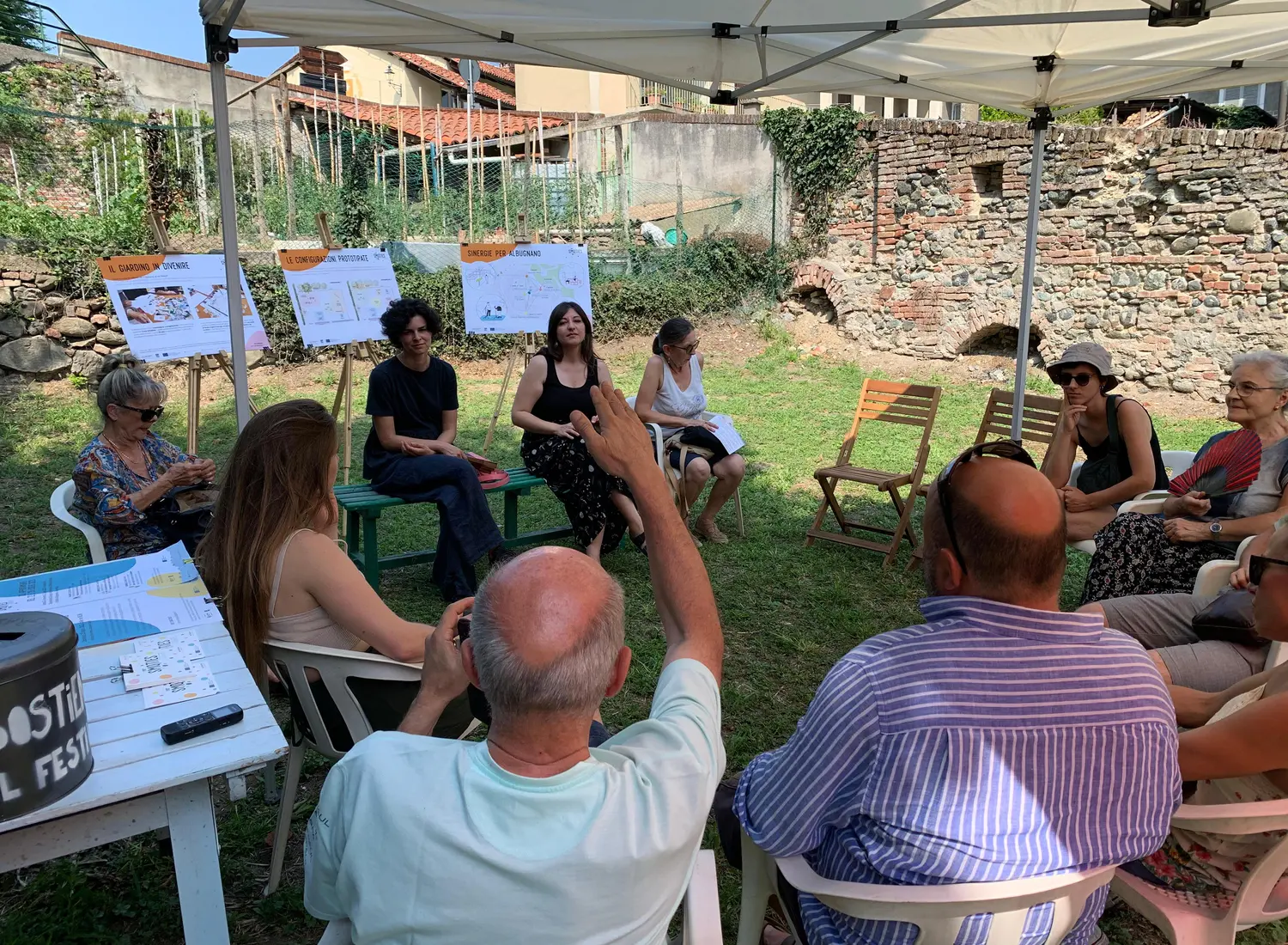
A group of people is gathered in a circle outdoors, under a white gazebo, for a public meeting or workshop in a garden surrounded by ancient stone and brick walls. Three female speakers sit on a green bench facing the audience, with informative project panels displayed on easels behind them. In the foreground, participants sit on outdoor chairs, listening intently; a man with his back to the camera raises his hand to ask a question or contribute to the discussion. The atmosphere is one of participatory and informal dialogue, aimed at sharing ideas and results within a context of urban or community regeneration.
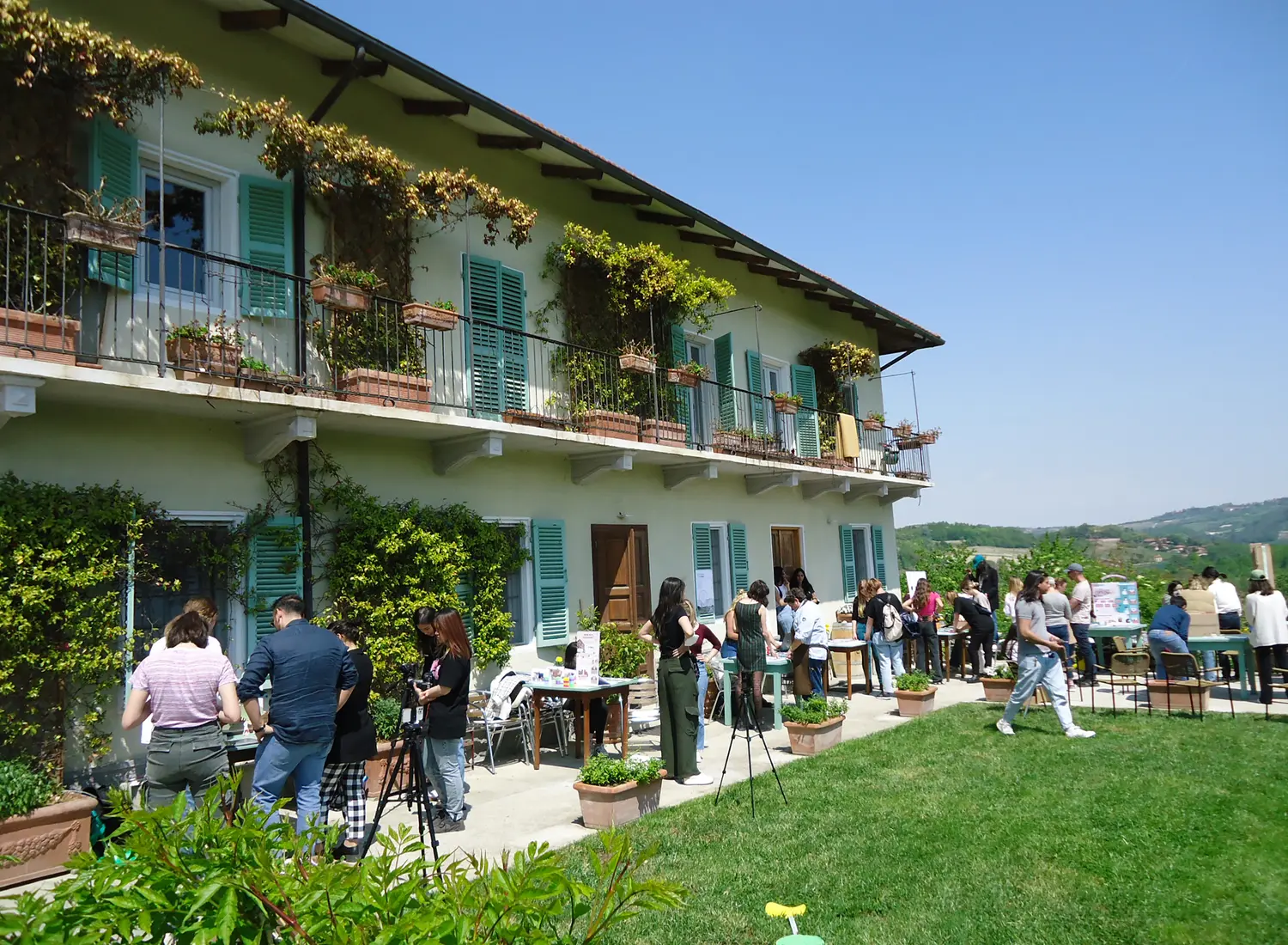
A large group of people is gathered outside a two-story building with light-colored walls and blue shutters, located in a hilly area. The building features a long balcony on the first floor adorned with numerous climbing plants and flower pots, giving the structure a lush and well-tended appearance. On the lawn in front and along the perimeter of the house, participants are spread out around several tables set up for outdoor activities, suggesting a collective event or an educational workshop. Some individuals are busy taking photographs or filming with professional tripods, while others interact with each other in a friendly and dynamic atmosphere, immersed in the sunlight of a clear day.

At the end of the research and co-design activities carried out in Albugnano over the four years of the project, the Department of Design has implemented a series of project interventions across a network of 8 key locations in the village of Albugnano.

The project "Citofonare Albugnano" stems from ideas developed together with the local community and aims to enhance local memory and regenerate shared spaces, thereby promoting the cultural, creative, and culinary excellences of the area and fostering participation in local community life.

The design strategy is realized through a system of interventions in the public spaces of the area, using lightweight structures and urban furnishings that enhance existing activities and uses, and stimulate the creation of new initiatives and uses of shared space. The distributed interventions aim to create synergy among Piazza Cavalier Serra, Giardino di via Roma, Biblioteca Comunale, Belvedere Motta, Pro Loco, the Regional Wine Shop of Albugnano, and the Ancient Canonica, making these spaces accessible for both organized and spontaneous activities. Through elements of signage, a narrative of local stories and collected memories voiced by the community over these months is created.
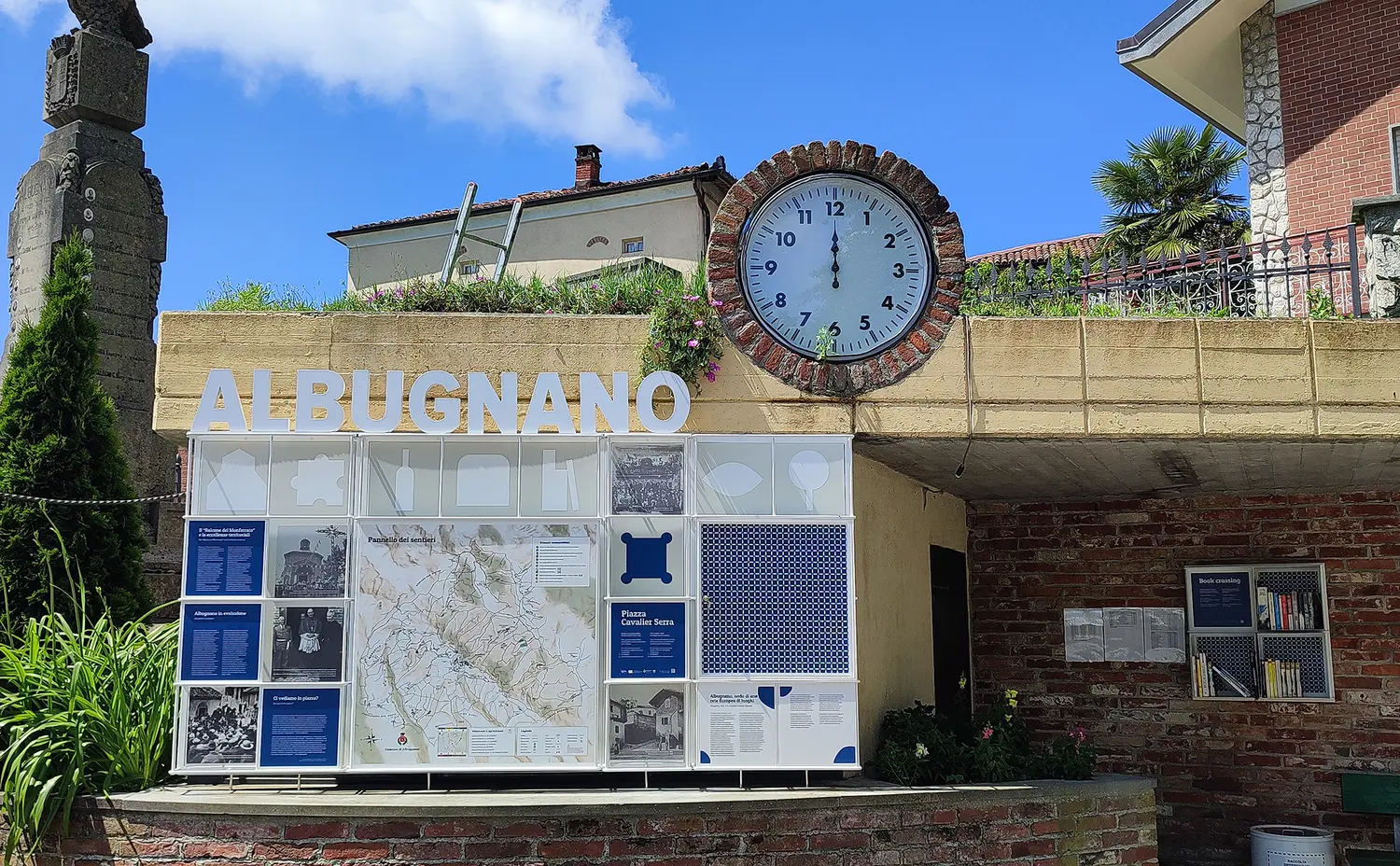
In detail, the communication panels – whose graphic design reflects the key colors of the area – include: a map guiding visitors to all locations on the itinerary; key information for using and accessing spaces, opening hours, contact details, and QR codes linking to the Municipality's website for additional information; historical data and photographs; stories and anecdotes from citizens related to their memories in these places, along with interesting facts. Community bulletin boards, useful for displaying posters and promotional material for local events, complete the project.

The most ambitious intervention is planned for the garden on via Roma, where by the end of the project, scheduled for October 2024, terracing will be built to create an agora dedicated to performances and activities organized by the local community.

A modern information installation welcomes visitors to the town of Albugnano, blending harmoniously with the surrounding historical architecture. The main structure, topped with the town's name in large white letters and a large analog clock set in a circular brick frame, features a series of white and blue panels with maps of the area, historical photographs, and descriptive texts. To the right, a small niche in the brick wall houses a book crossing station, inviting cultural sharing. The area is enriched with green plants and flowers, conveying a sense of care for local heritage and the promotion of slow, conscious tourism.

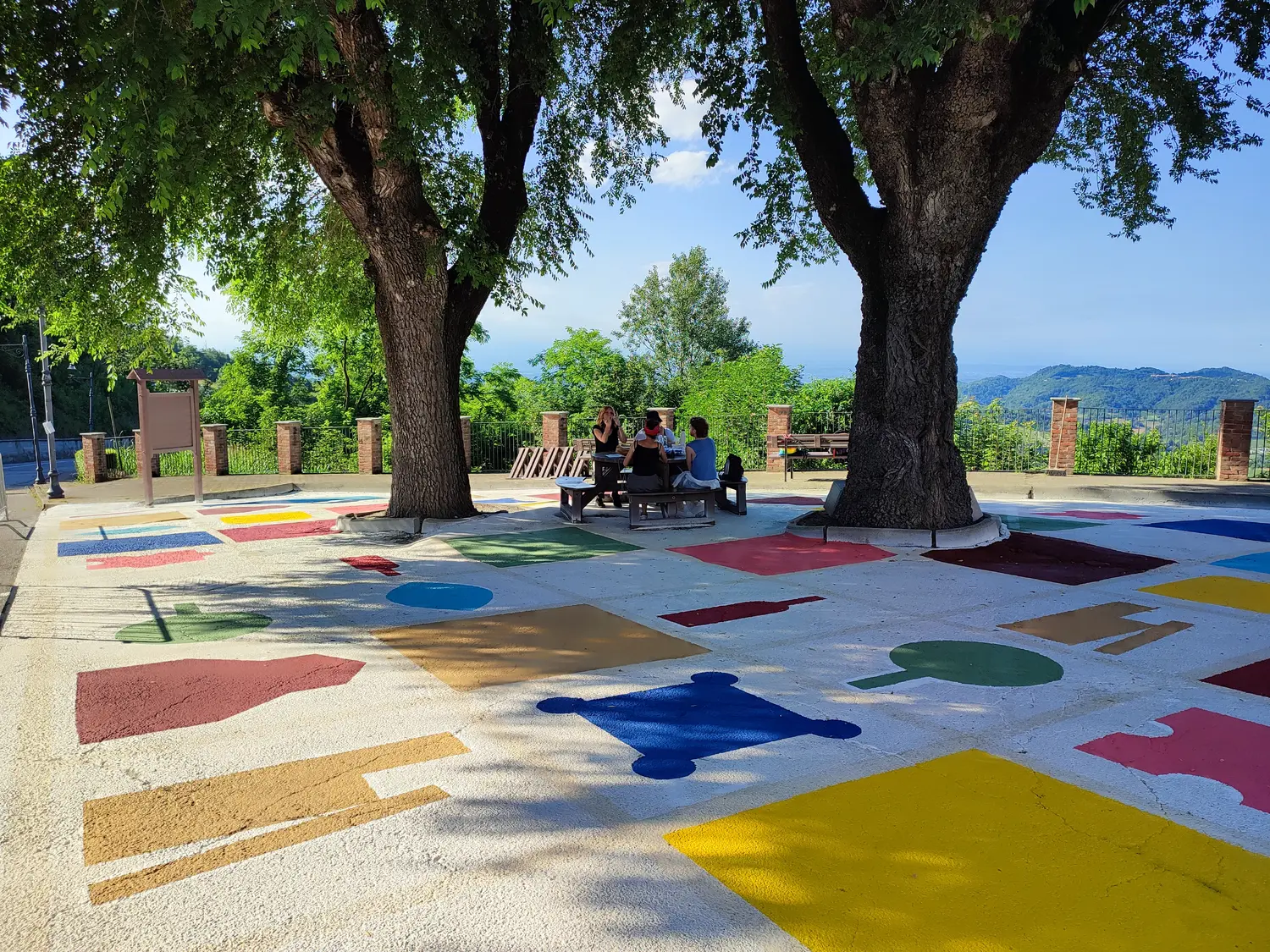
In addition to the signage system, there is a tactical urbanism intervention in Piazza Cavalier Serra. The pavement has been colored with a design composed of a series of icons and colors representing the 8 locations covered by this communication system for Albugnano, which can then be traced in the distributed panel system. To enhance the pedestrian area, movable furnishings have also been added to the square.

In July 2024, on the occasion of the local annual event QUADILA Festival, several events are planned where attendees can enjoy the renewed spaces for activities such as theatrical performances, meetings with the community, and welcoming visitors.

Finally, at the end of the project, there will be a major event in Milan on Wednesday, October 23, in the afternoon, at Aula Magna in Piazza Leonardo da Vinci 32. During this occasion, researchers from the Department of Design will present the project from its initial phases in 2020 to the final results and the impact achieved, intertwining these outcomes with the other 9 projects in remote European locations of the project partners.

A bright panoramic square overlooks a hilly landscape, transformed into an open-air work of art through a vibrant tactical urbanism intervention. The light-colored pavement is dotted with colorful geometric shapes — blue, yellow, red, and green squares, circles, and stylized silhouettes — creating a dynamic and joyful visual carpet. Two large, mature trees provide shade for a group of people sitting around a picnic table, engaged in conversation and enjoying the view. The area, bounded by a low brick wall with a railing, serves as a gathering point and lookout, blending contemporary design with the natural beauty of the surrounding territory.

The POLIMI DESIS Lab is composed of a group of researchers who adopt a strategic and systemic approach to design, with a specific focus on service design and design activism. Operating in multicultural and multidisciplinary contexts, the lab integrates various skills in systemic projects that require contributions from service design, strategic design, user-centered design, interaction design, product design, interior/spatial design, design for territory and local development, communication, economics, architecture, planning, and sociology.
The laboratory's goal is to explore how design can enable individuals, communities, businesses, and social actors to activate and manage innovation processes aimed at experimenting with sustainable and collaborative ways of living and working.

Share on: