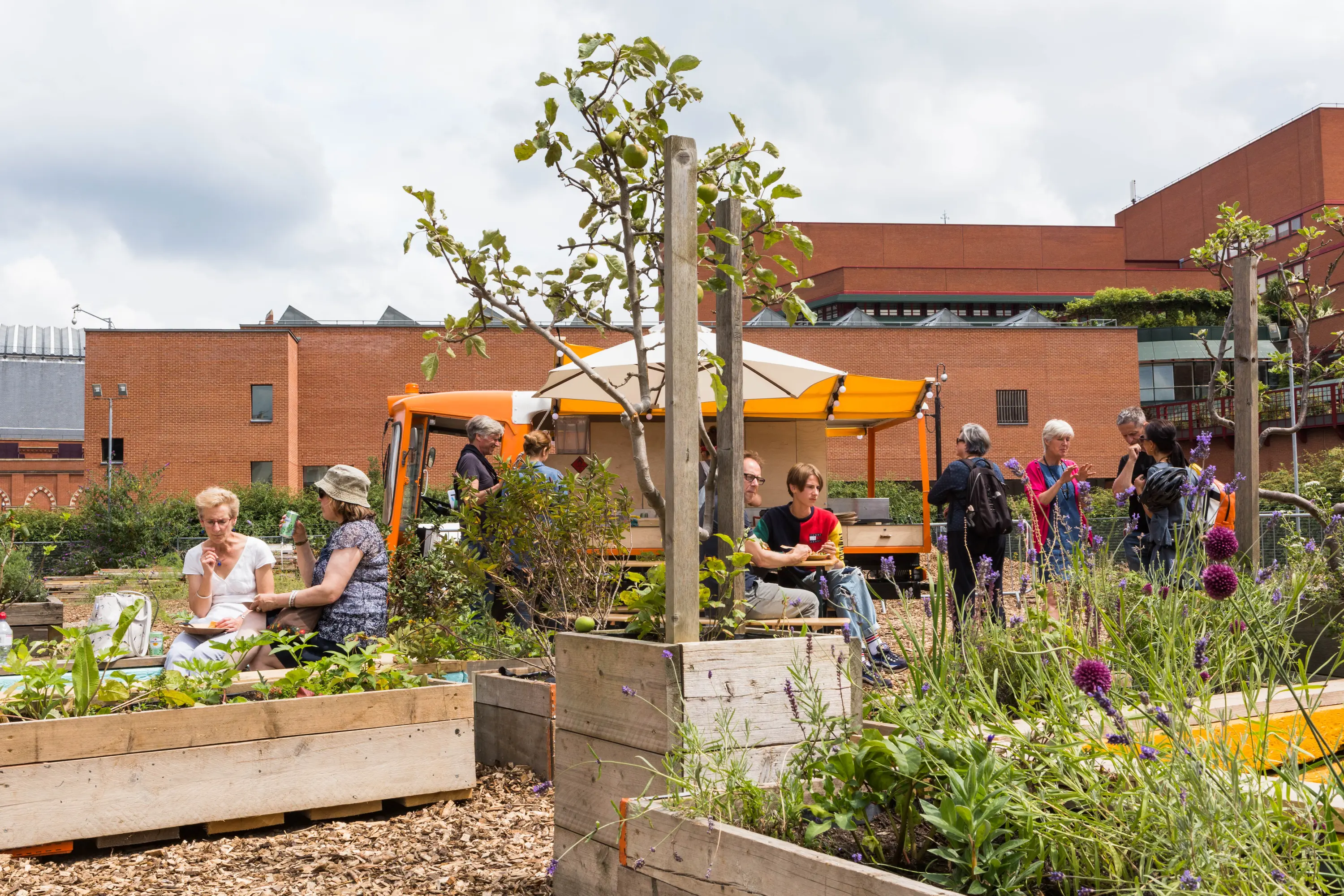
As years or even decades can pass between the approval of a regeneration plan and its actual implementation, more and more unused or degraded buildings, plots and spaces within urban areas are being transformed into sites for temporary co-creative experimentation through a multitude of innovative cultural, social and entrepreneurial activities.
The aim of the T-Factor project is to create an international network of exchange and collaboration to demonstrate the transformative potential of temporary uses as critical assets for the city to establish more inclusive and sustainable regeneration processes.
25 European partners and 6 pilot cities - Milan, London, Bilbao, Amsterdam, Kaunas, Lisbon - worked to design, prototype and test different types of temporary initiatives through the involvement of local communities.
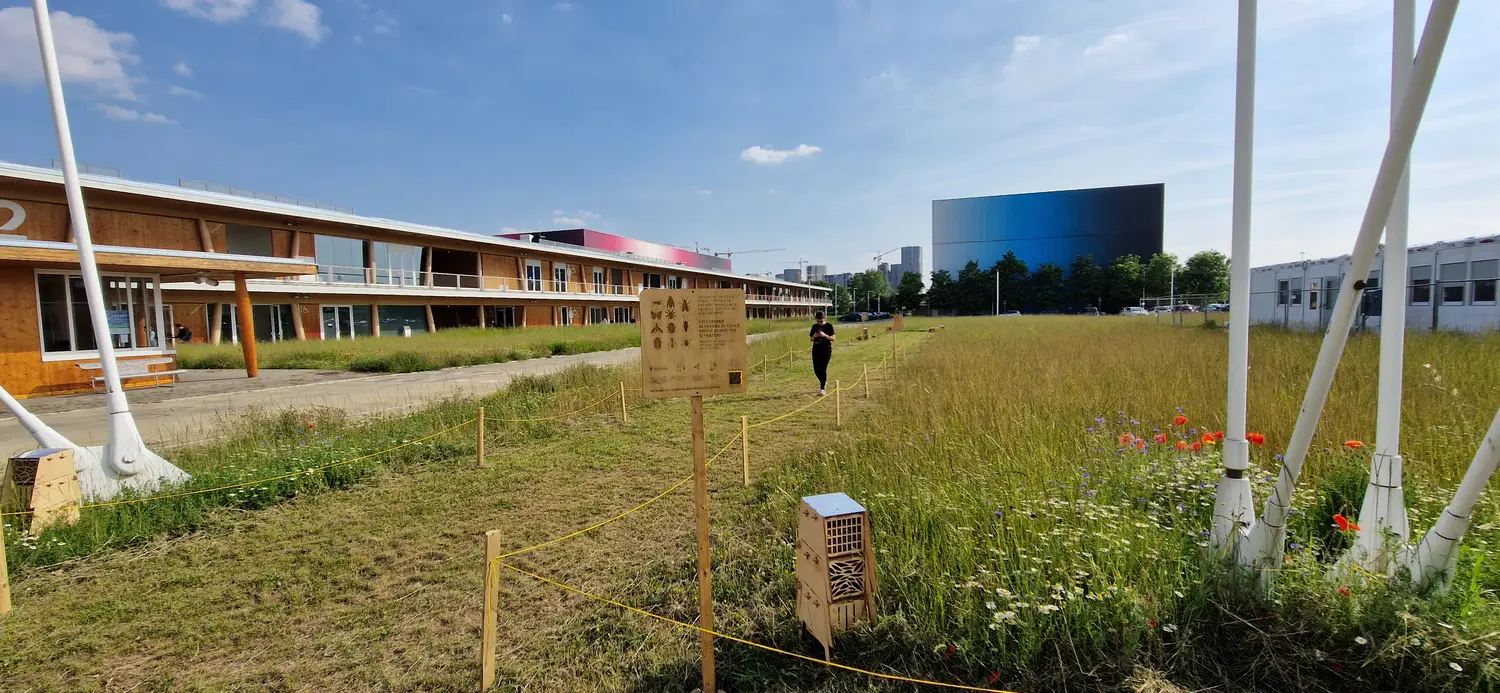
The city of Milan hosted one of the 6 pilot projects at MIND - Milano Innovation District - formerly Expo2015 area - as it is the subject of a large regeneration project scheduled to end in 2031. The Milan pilot project focused on the realisation of temporary initiatives with the aim of:
- MISSION 1: create a dynamic community open to the exchange of ideas, projects and scientific knowledge;
- MISSION 2: promote conscious and sustainable lifestyles through the knowledge and protection of urban biodiversity;
- MISSION 3: build a shared identity for the district and foster accessibility through osmosis between internal and local realities.
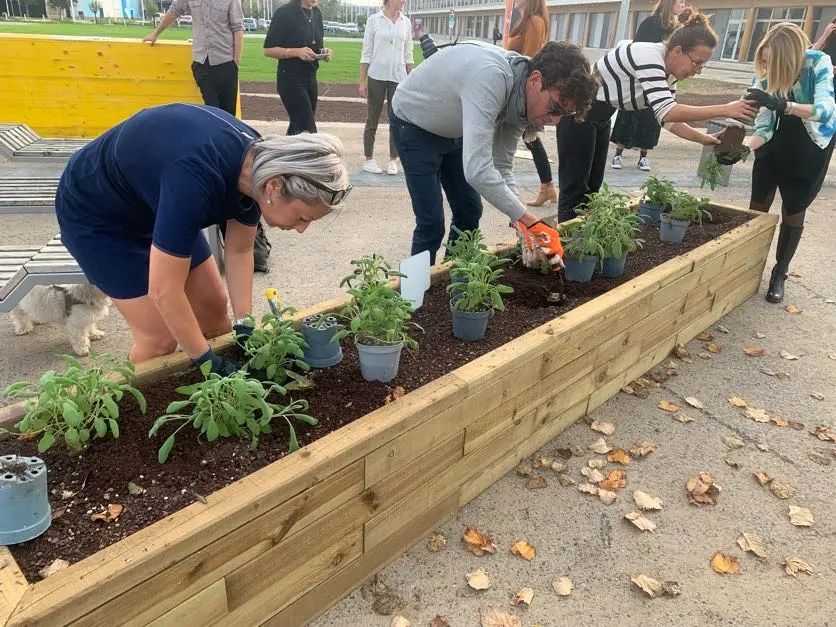
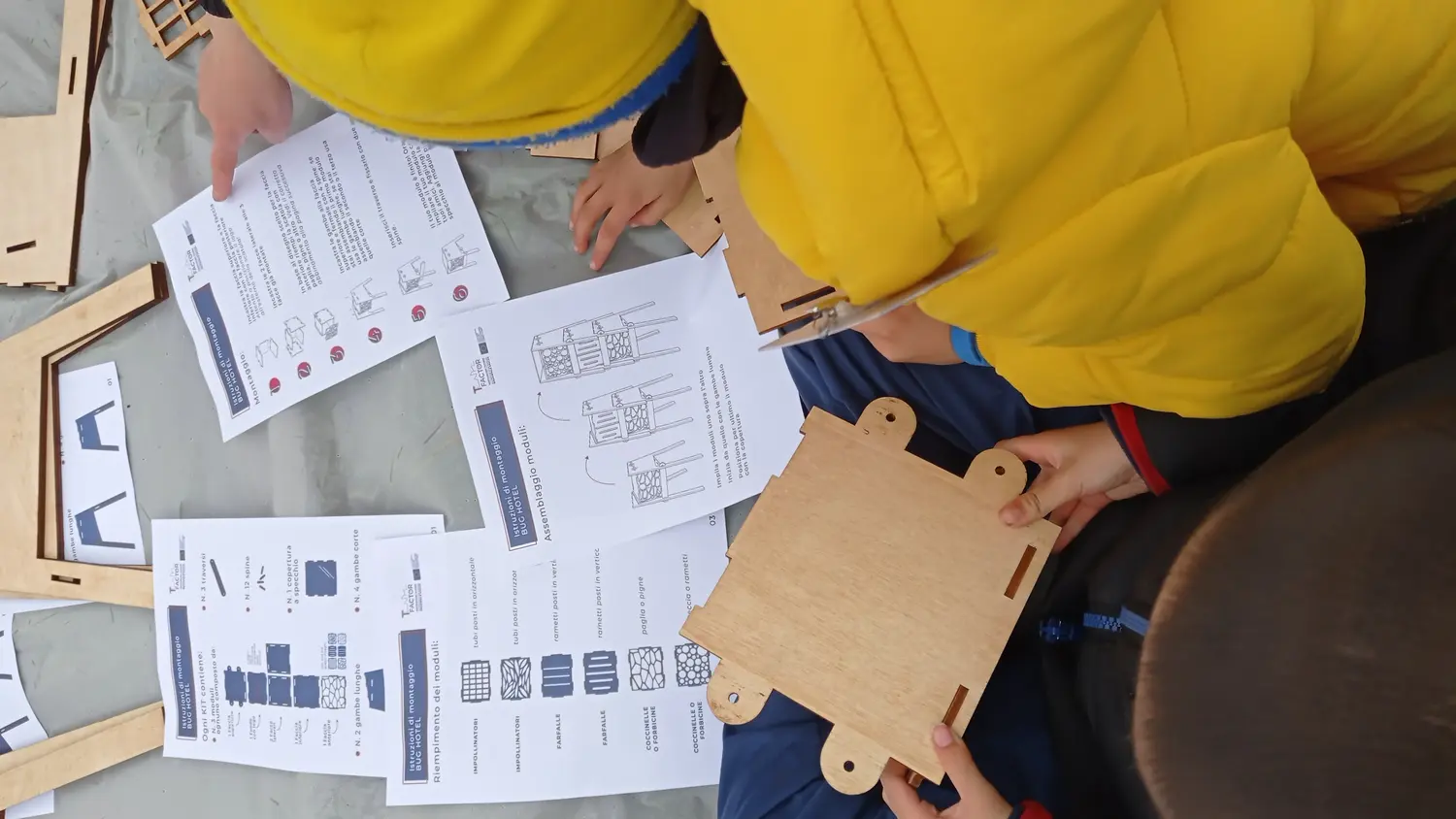
Among these initiatives, Polifactory specifically addressed mission 2 and 3, through the design of Herbula Wild Garden (in collaboration with LAND) and the MIND Community House (in collaboration with Plusvalue).